


Online shopping has really changed how we buy things, moving from a niche activity to how most of us get what we need and want. We’ve gone from dial-up connections and basic websites to sophisticated platforms that know our preferences almost better than we do. It’s no longer just about convenience, though that’s still a huge factor; it’s about a whole new way of interacting with brands and products. We’re seeing innovations that make buying things online smoother, more personal, and sometimes even more fun than going to a physical store.
Remember those thick mail-order catalogs? Online shopping started as a digital evolution of that, but it quickly became something unique.
The Dawn of E-commerce
In the mid-90s, the internet was new and exciting. Early e-commerce sites were pretty basic. Think text-heavy pages, slow loading times, and clunky interfaces. Security was a big concern for many people, and rightly so. Handing over credit card details to a website felt risky back then. Despite these hurdles, pioneers like Amazon and eBay showed us the potential of buying and selling online. It was a slow burn, but the foundation was being laid.
Growing Pains and Gaining Trust
As internet access became more common, so did online shopping. Companies invested in better security measures and more user-friendly designs. People started to realize they could find a wider variety of products online, often at competitive prices, without leaving their homes. The convenience factor started to win people over, slowly chipping away at the initial skepticism. By the early 2000s, online shopping was gaining real traction, especially for things like books, electronics, and travel.
Online shopping has transformed the way consumers interact with retail, making it more convenient and accessible than ever before. One interesting aspect of this evolution is the integration of advanced technologies such as computer vision, which enhances the online shopping experience by allowing for better visual recognition of products. For more insights on how these technologies are shaping the future of e-commerce, you can read the article on enhancing visual recognition with computer vision at this link.
The Mobile Revolution and Personalization Power-Up
Fast forward a bit, and everything changed again with the smartphone. This wasn’t just another device; it put the internet – and thus, shopping – into our pockets.
Shopping in Your Pocket
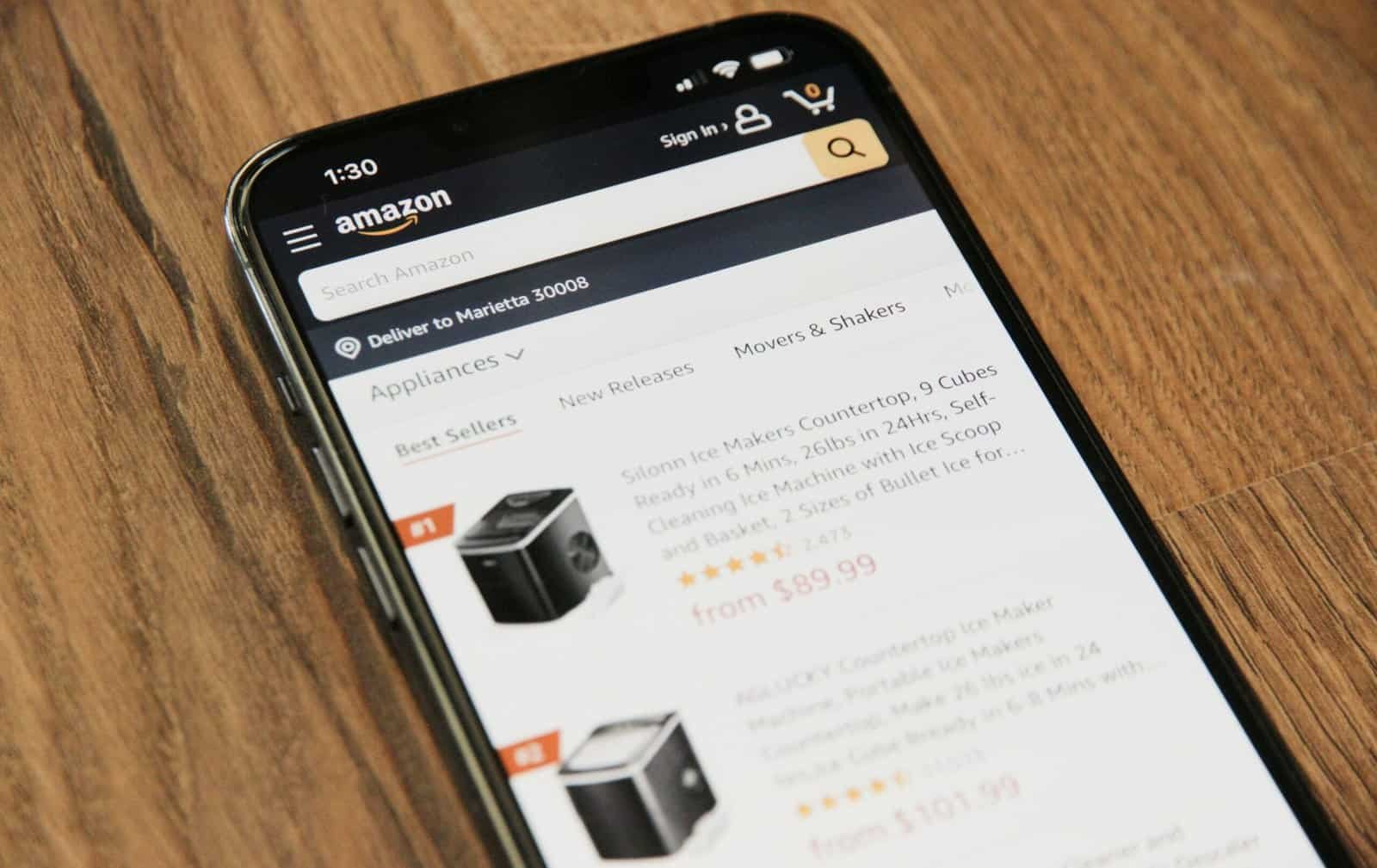
Smartphones really kicked online shopping into high gear. Suddenly, you could browse and buy from anywhere – on your commute, while waiting in line, or just relaxing on the couch. This mobile dominance isn’t just a trend; it’s the new norm. Globally, roughly 80% of retail site visits and orders now come from smartphones. In places like China and South Korea, mobile commerce makes up over 70% of all online sales. It’s all about convenience, and as internet access spreads, so does m-commerce.
AI’s Role in Knowing You Better
This is where things get really clever. Artificial intelligence (AI) has moved beyond just showing you “related items.” It’s now creating a hyper-personalized experience that can feel almost futuristic. AI-driven recommendations are a huge deal, boosting sales by as much as 915% for some companies. Think about that for a second. This isn’t just an algorithm guessing; it’s machine learning building detailed profiles of our preferences, leading to 15-20% higher conversion rates and a 20x return on investment for marketing. AI also handles about 80% of customer service queries through chatbots, uses smart pricing strategies, and helps detect fraud. It’s making the online shopping experience smoother, safer, and incredibly tailored.
Immersive Experiences and New Shopping Avenues

Online shopping isn’t just about static product pages anymore. Brands are finding ways to bring the product to you, virtually.
Trying Before You Buy, Virtually
One of the biggest limitations of online shopping used to be not being able to see or try on an item. Augmented Reality (AR) and Virtual Reality (VR) are changing that. Imagine being able to see how a new sofa would look in your living room before you buy it, like IKEA’s app allows. Or virtually trying on different shades of lipstick from Sephora without ever touching a physical product. This “try-before-you-buy” experience builds real confidence. Reports show that 71% of shoppers are more likely to make a purchase if they can use AR to see the product in their own environment. VR showrooms are also gaining traction, offering an even more immersive way to explore products.
The Rise of Voice Commerce
Remember when talking to your devices felt a bit awkward? Now, voice assistants are becoming common shopping tools. Voice commerce lets us shop hands-free, reorder staples, and even compare prices just by speaking. It’s especially popular with millennials, and it’s projected to be a $40 billion market by 2024. Beyond convenience, voice commerce is also a huge win for accessibility, making online shopping easier for people with limited mobility or vision. It’s a good example of how technology can simplify everyday tasks.
Blurring Lines: Online, Offline, and Beyond

The clear distinction between online and physical stores is getting progressively blurrier. It’s about combining the best of both worlds.
The Hybrid Retail Comeback
For a while, the direct-to-consumer (DTC) model seemed unstoppable. Brands like Warby Parker and Allbirds started online and built huge followings. But after the e-commerce boom of 2020, many faced challenges like high advertising costs, increased returns, and trust issues. We’re now seeing a “hybrid retail revival,” where many of these online-native brands are opening physical stores. Why? Because people, especially Gen Z, still appreciate in-person experiences. This shift is even reshaping malls, turning them into more experience-driven destinations rather than just places to buy things. It turns out, that a mix of digital convenience and physical presence is often the sweet spot.
Agentic AI and the Future of Discovery
This is where things get really interesting and a bit mind-bending. Imagine an AI agent doing your shopping for you. We’re talking about AI not just recommending products, but actively managing reorders, upsizing an outfit you just bought, or even proactively finding deals. This concept of “agentic AI” could change how we discover and purchase things entirely, leading to a “death of the URL” as we know it. Instead of browsing websites, an AI might present highly curated options. This also means a shift for brands, who will need to focus on rich, data-filled product catalogs and compelling storytelling on their sites, even as concerns about data privacy grow. Advertising models might also change, moving towards CPA (cost per acquisition) managed by these AI agents.
Online shopping has transformed the way consumers interact with brands, making it essential for businesses to adopt effective marketing strategies. One powerful tool that can significantly enhance online sales is email marketing, which allows companies to reach their customers directly and promote their products. For insights on how to leverage this strategy to boost your business, you can explore a related article that discusses the impact of email marketing in detail. Check it out here: the power of email marketing. By integrating such techniques, online retailers can create a more engaging shopping experience and drive higher conversion rates.
Ethical Considerations, Efficiency, and Global Reach
| Metrics | Data |
|---|---|
| Number of online shoppers | 1.92 billion (2021) |
| Global e-commerce sales | 4.28 trillion (2020) |
| Percentage of retail sales from online shopping | 21.3% (2020) |
| Top product categories purchased online | Electronics, clothing, and books |
| Mobile commerce share of online sales | 54% (2021) |
As online shopping evolves, so do our expectations around sustainability, efficiency, and accessibility for everyone, everywhere.
Sustainable Shopping & Smart Logistics
We’re becoming more aware of the environmental impact of our consumption. This awareness is driving changes in online retail, particularly around delivery. Parcel stations, for instance, are gaining popularity as a more eco-friendly delivery option, reducing the number of individual trips delivery drivers have to make. On the backend, AI is playing a critical role in optimizing fulfillment, especially in mature markets like grocery retail, where speed and efficiency are paramount. Think smarter routing, better inventory management, and reduced waste – all powered by AI.
The World is Your Storefront
Online shopping has truly globalized commerce. The convenience factor is still the top reason why people adopt e-commerce worldwide. Fashion and electronics continue to be leading categories for online sales. But it’s not just about wealthy nations. Thanks to continuous infrastructure buildout and the power of AI to automate and streamline the customer journey, online shopping is becoming accessible to more people in more places. It means you can buy a unique craft from a small artisan halfway across the world or have your favorite international brands delivered right to your door.
The Ever-Evolving Online Journey
The evolution of online shopping is a continuous journey. From simple websites to sophisticated AI-driven experiences, it’s all about making our lives a little easier, our choices a little broader, and our purchases a little smarter. The blend of technology and human preference continues to shape this dynamic landscape, promising even more innovative ways to shop in the years to come.
FAQs
What is online shopping?
Online shopping is the process of purchasing goods or services over the internet. It allows consumers to browse and buy products from the comfort of their own homes, using a computer or mobile device.
How does online shopping work?
Online shopping works by allowing consumers to visit a website, browse through products, add items to a virtual shopping cart, and then proceed to checkout. Payment is typically made using a credit or debit card, or through online payment platforms like PayPal.
What are the benefits of online shopping?
Some benefits of online shopping include convenience, a wider selection of products, the ability to compare prices easily, and the option to shop at any time of day or night. Online shopping also often offers discounts and deals that may not be available in physical stores.
What are the risks of online shopping?
Risks of online shopping can include the potential for fraud or identity theft, as well as the possibility of receiving counterfeit or low-quality goods. There is also the risk of personal information being compromised if a website is not secure.
How can I stay safe while shopping online?
To stay safe while shopping online, it’s important to only use secure websites with “https” in the URL, to use strong and unique passwords for each online account, and to be cautious about sharing personal information. It’s also a good idea to use a credit card with fraud protection when making online purchases.

